
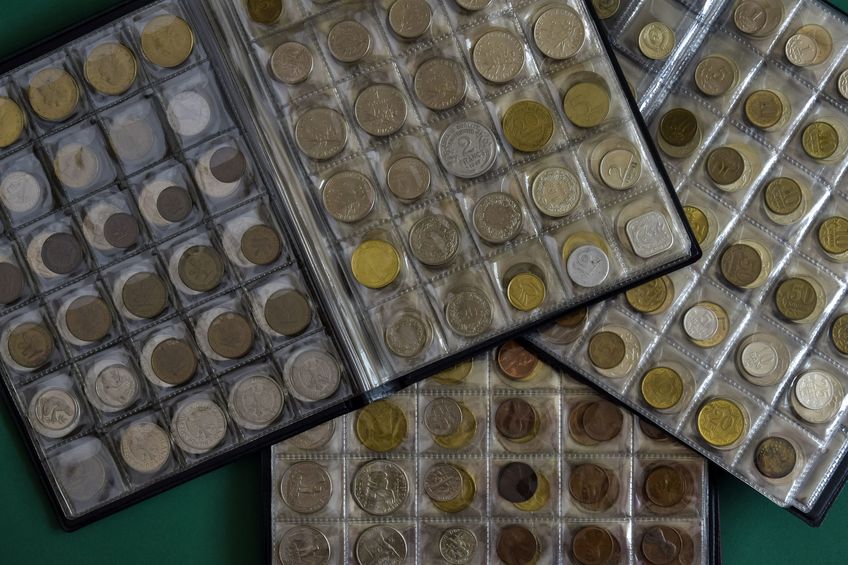
Finding out you have inherited a coin or stamp collection can bring up a mix of emotions. There is often curiosity about what it might be worth, along with a sense of responsibility to handle it the right way. Whether the collection is large or small, carefully curated or loosely organized, your first steps matter more than you might think.
Slow Down and Take It In
It is easy to jump straight into trying to figure out value, but the best first move is to pause. Collections are often built over many years, sometimes even a lifetime. Rushing through them can lead to mistakes that are hard to undo.
Start by placing the collection somewhere safe and stable. Avoid areas with high humidity, extreme temperatures, or direct sunlight. You do not need to do anything complicated at this stage. Just make sure everything is protected while you get your bearings.
Resist the Urge to Sort Too Soon
You might feel tempted to organize everything right away or divide items among family members. It is better to hold off on that for now. The way a collection is stored can tell a story. Albums, sleeves, handwritten notes, and even the order of items can provide useful information about how the collection was built.
Keeping everything together gives you and any future appraiser a clearer picture. In some cases, collections are more valuable as a whole than when they are split up.
Handle With Care
Coins and stamps can be more delicate than they look. Try to limit how much you handle them, especially in the beginning. If you do need to pick up coins, hold them by the edges. For stamps, avoid touching the surface as much as possible.
It is also important not to clean anything. Even if a coin looks dull or a stamp seems aged, cleaning can reduce value. Collectors tend to prefer items in their original condition, even when that includes signs of age.
Start a Simple Inventory
Once everything is safe, begin getting a general idea of what is in the collection. You do not need to catalog every detail right away. A basic overview is enough to start.
You might group coins by country, denomination, or type. Stamps can be grouped by region, theme, or whether they are loose or part of an album. If there are any notes or documentation, keep them with the items they belong to.
Taking a few photos can also help. This gives you a record to refer back to and makes it easier to share the collection with professionals later without moving everything around.
Be Cautious with Online Values
Looking up coins or stamps online can be helpful, but it often leads to confusion. Prices you see online may not reflect what items actually sell for. Condition, rarity, and demand all play a role, and those factors are not always easy to judge without experience.
Use online resources to learn basic terms and get a sense of what you have but avoid making decisions based on that information alone.
Talk to a Professional
One of the most important steps is getting a professional opinion. A qualified appraiser can evaluate the collection based on real market data and years of experience. This is especially important if the collection is part of an estate or needs to be documented for legal reasons.
Working with an experienced auction house can also give you insight into selling options. They can help you understand how items are presented, how auctions are structured, and what buyers are currently looking for.
Think About What You Want to Do
Before deciding to sell or keep the collection, take some time to think about your goals. You may want to hold onto a few pieces that have sentimental value. You may also decide that selling the entire collection is the best path forward.
There is no wrong choice here. What matters is that you decide based on good information and a clear understanding of your options.
Appreciate the Story Behind It
Even if you are not a collector yourself, it is worth taking a moment to appreciate what the collection represents. Each item may reflect a specific interest, a historical moment, or a personal achievement. Many collectors spend years tracking down certain pieces or completing sets.
Learning a little about the collection can make the process more meaningful. It can also help you better understand why certain items may be more valuable than others.
A Thoughtful Start Makes All the Difference
Inheriting a coin or stamp collection does not have to feel overwhelming. By taking your time, protecting what you have, and getting the right guidance, you set yourself up for a smoother experience.
The key is to avoid rushing. Focus on preservation first, understanding second, and decisions last. With that approach, you can move forward with confidence and make choices that respect both the value and the history of the collection. Contact Centennial Auctions at 603-356-5765 today or visit us online for more information!