
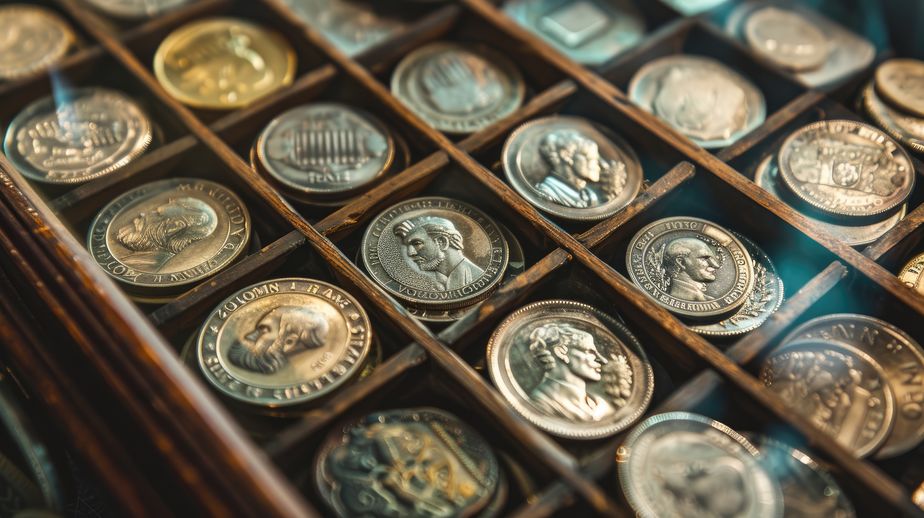
When families bring in coins or stamps that have been tucked away for decades, they are often carrying more than a box of collectibles. They are carrying memories. These items might remind them of a grandfather who searched through pocket change every evening or a parent who built a stamp album one careful page at a time. That emotional weight is real, and it naturally shapes the way people view the value of a collection.
At the same time, a professional appraisal must reflect what the broader market will pay. Balancing these two perspectives is a delicate part of the work, and it is something we take seriously at Centennial Auctions.
Understanding Why Emotional Value Feels So Strong
Every family has items that feel priceless because of the stories attached to them. A coin that would sell for a modest amount at auction may still hold deep meaning because it represents a shared hobby or a moment in time. Sentiment often increases expectations, especially when a loved one devoted years to building a collection.
It is natural to hope that the emotional significance translates into financial value, but the marketplace works differently. The goal of an appraisal is not to diminish those memories. Instead, it helps families see how personal value and market value can exist side by side without competing.
How Personal History Fits into the Appraisal Process
Many collections are tied to family history. A small group of foreign coins brought home from military service, or a stack of envelopes mailed across oceans can paint a vivid picture of someone’s life. That history matters, and it deserves to be acknowledged and preserved.
While a personal story does not always raise the market price, it can still influence how a collection is organized, documented, and understood. In some cases, verifiable provenance can enhance value, particularly when the story connects to a known event or figure. Even when it does not affect price, it adds meaning that families appreciate having recorded.
What Professional Appraisers Consider
When we appraise a collection, we look at the sentimental side and the objective side. We listen to your stories and take note of any details that help explain how the collection came together. This helps us understand your perspective before we examine the pieces themselves.
The market portion of the appraisal is grounded in concrete factors like rarity, condition, authenticity, and current demand. These elements guide the financial value. By combining this with an understanding of the collection’s personal background, we give families a clear and honest picture of both kinds of value.
Finding the Middle Ground
When emotional value and market value are far apart, it can be difficult for families to decide what to do next. Some choose to keep part of the collection as a tribute to a loved one while selling the remainder. Others decide to preserve everything regardless of price because the connection means more than the financial return.
There is no wrong answer. The role of a thoughtful appraisal is simply to give you the information you need, so your decisions feel informed and comfortable.
Helping Families Move Forward
At Centennial Auctions, we know that an appraisal is not just a list of numbers. It is an opportunity to honor a family’s history while understanding the practical side of the collecting world. Our job is to help you navigate both with sensitivity and accuracy.
Whether you are preparing for an estate settlement, planning, or simply trying to understand what a loved one left behind, we are here to support you. A balanced appraisal helps you respect your memories while staying grounded in the real market, allowing you to move forward with clarity and confidence. Contact Centennial Auctions at 603-356-5765 today or visit us online for more information!