
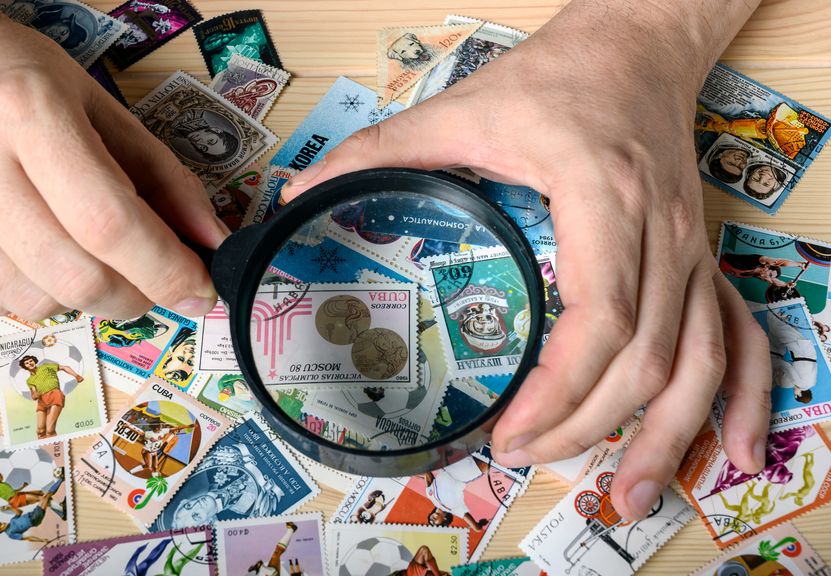
Coin and Stamp Collectors often focus on rarity, history, and market timing when preparing to sell coins or stamps at auctions. While these factors certainly matter, the way a collection has been stored over the years can be just as important. Even valuable pieces can lose appeal and sell for less than expected if they show signs of preventable damage. Understanding common storage mistakes can help collectors and heirs protect both the physical condition and auction performance of their collections.
Storing Collections in Unstable Environments
One of the most frequent issues seen in auction consignments is environmental damage caused by poor storage conditions. Coins and stamps that are kept in attics, basements, garages, or other areas with fluctuating temperatures are more likely to suffer from tarnish, corrosion, fading, or paper deterioration. Excess humidity can cause mold growth on stamps and accelerate oxidation on metal surfaces.
Ideally, collections should be stored in a climate-controlled space with steady temperatures and low moisture levels. A consistent environment helps preserve original surfaces and color, both of which are closely evaluated by bidders and grading professionals.
Handling Items Without Proper Care
Frequent or careless handling can gradually reduce the visual appeal of collectibles. Oils and residue from bare hands can leave fingerprints or stains on coins and delicate stamp paper. Over time, these marks can become permanent and negatively affect grading outcomes.
Collectors can reduce this risk by handling coins only by their edges and using clean cotton gloves when working with valuable pieces. Limiting unnecessary handling also helps maintain the natural luster and crisp detail that serious buyers look for at auction.
Using Low Quality Storage Supplies
Not all storage materials are safe for long-term preservation. Some plastics, envelopes, and cardboard holders contain chemicals that can react with metal or paper. This reaction may lead to toning, discoloration, or surface damage that reduces collector interest.
Choosing archival quality storage products is an important step in protecting value. Acid free sleeves, inert plastic holders, and professionally graded cases provide a safer environment for coins and stamps that may eventually be offered for sale.
Allowing Pieces to Shift or Rub Together
Another overlooked mistake involves storing coins or stamps in a way that allows them to move freely. Coins stored loosely in jars, drawers, or tubes can rub against each other and develop scratches. Even minor abrasions can lower a coin’s grade and impact its desirability among bidders.
Organizing collections into individual holders or compartmentalized trays helps prevent contact damage. This approach also makes it easier for auction specialists to evaluate and catalog each item accurately.
Exposure to Light and Airborne Pollutants
Light exposure can have a gradual but noticeable effect on collectibles. Stamps that are displayed in direct sunlight may fade or become brittle over time. Coins exposed to air pollution or sulfur rich environments may develop unattractive toning or corrosion.
Storing collections in protective cases or enclosed cabinets helps reduce these risks. Keeping items away from windows, heating vents, or industrial areas can also support better long-term preservation.
Attempting to Clean or Restore Items at Home
Collectors sometimes believe that cleaning coins or refreshing stamp surfaces will improve their appearance. Improper cleaning is one of the most common causes of reduced auction results. Abrasive cloths, chemical solutions, or polishing techniques can remove original finishes and leave visible marks.
Professional conservation may be appropriate in certain cases, but it should only be done under expert guidance. In most situations, leaving items in their natural state is the best way to protect authenticity and value.
Disorganized Storage and Missing Documentation
Condition is not the only factor that influences auction success. Poor organization can also create challenges when preparing a collection for sale. Missing records, unlabeled items, or mixed sets may require additional research and sorting before cataloging can begin.
Maintaining clear inventories, provenance notes, and grading certificates helps auction firms present collections more effectively. Well-documented items often generate stronger confidence among bidders and may achieve better final prices.
Neglecting Security and Long-Term Planning
Finally, storage mistakes sometimes involve overlooking basic security. Valuable collections that are left in easily accessible areas face higher risks of theft, fire damage, or accidental loss. Using a safe, safety deposit box, or insured storage solution can provide peace of mind and protect financial value.
Collectors who plan and take a thoughtful approach to preservation often see the benefits when their items reach the auction stage. Pieces that remain clean, stable, and well documented are more likely to attract competitive bidding and positive attention.
Protecting Auction Potential Through Proper Storage
Proper storage is a long-term commitment that supports both historical preservation and financial return. By avoiding common mistakes and adopting careful handling and organization practices, collectors can help ensure their coins and stamps perform as strongly as possible at auction.
Contact Centennial Auctions at 603-356-5765 today or visit us online for more information!