
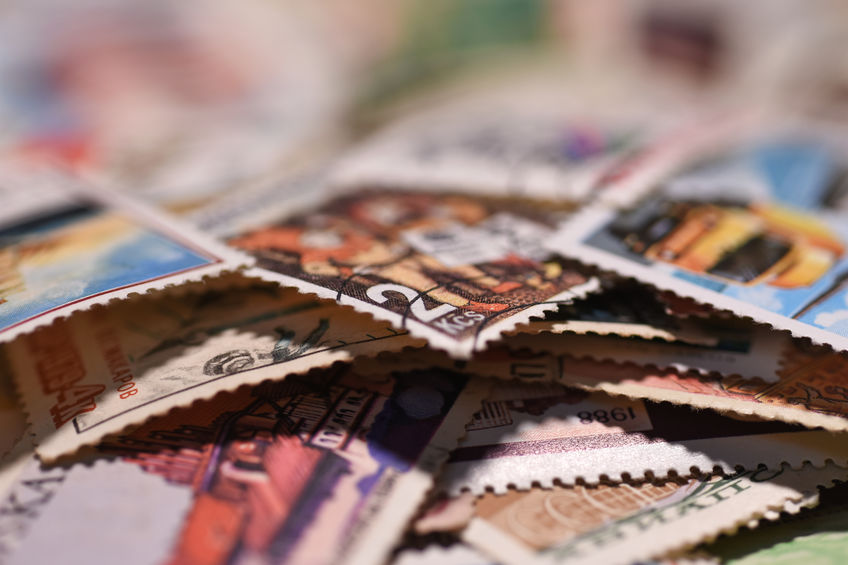
Starting a coin or stamp collection is exciting. There is something special about holding a piece of history in your hands, whether it is a century-old silver coin or a beautifully preserved stamp that once traveled across the world. But as with any hobby, beginners often learn lessons the hard way.
After decades of working with collectors across New England, we have seen patterns. Most new collectors make similar mistakes, especially when buying for the first time or preparing to participate in their first auction. The good news is that these missteps are avoidable with a little guidance and patience.
Here are the most common mistakes new collectors make and how you can steer clear of them.
Buying Based on Emotion Instead of Information
It is easy to get caught up in excitement. A coin looks old and impressive. A stamp has a bold design and a high catalog value. The urge to buy quickly can take over.
The problem is that not everything that looks rare is rare. Some coins were produced in large quantities and survive in high numbers. Some stamps carry high catalog prices but rarely sell at those levels in the real marketplace.
How to Avoid It
Take time to research before buying. Look at actual auction results, not just asking prices. Study the series you are interested in and understand how rarity and demand affect value. Ask questions when previewing lots at auction. The more informed you are, the more confident your purchases will be.
Overlooking Condition
In both coin and stamp collecting, condition plays a major role in value. Two items that appear similar at first glance can differ dramatically in price based on small details.
In coin collecting, grading standards are very specific. Organizations such as Professional Coin Grading Service and Numismatic Guaranty Company help standardize grading, but even within certified grades, eye appeal matters. Small marks, luster, and strike quality all influence desirability.
With stamps, centering, gum condition, perforations, and even light creases can affect value.
How to Avoid It
Learn basic grading terms and what they mean. When possible, view items in person or request detailed photos. Do not assume two items with the same label are equal in quality. Train your eyes, and do not rush your decisions.
Cleaning or Altering Items
Many beginners believe that cleaning a coin will make it more valuable. Unfortunately, cleaning almost always reduces value. Original surfaces are important to collectors, and once they are altered, the damage cannot be undone.
The same applies to stamps. Attempting to repair tears, remove marks, or improve appearance can harm authenticity and lower market value.
How to Avoid It
Never clean coins. Store them properly and leave them as they are. If you are unsure about a piece, consult a professional before doing anything to it. Preserving originality is always better than trying to improve appearance.
Improper Storage and Handling
Damage often happens slowly over time. Humidity can cause corrosion. Poor quality albums can discolor paper. Handling coins with bare hands can leave oils that lead to spotting.
New collectors sometimes underestimate how important storage is to long term value.
How to Avoid It
Use archival quality holders and albums. Store your collection in a stable, climate-controlled environment. Handle coins by their edges and use proper stamp tongs when working with stamps. These small habits can protect your collection for years.
Chasing Headlines Instead of Building Knowledge
Stories about legendary rarities like the Inverted Jenny or the 1913 Liberty Head nickel capture attention and spark interest in the hobby. While these pieces are fascinating, they represent the extremely high end of the market.
New collectors sometimes chase whatever seems popular or trendy without understanding the fundamentals of what they are buying. That approach can lead to overpaying or buying pieces that do not hold long term interest.
How to Avoid It
Choose a focus that genuinely interests you. It might be a specific era, country, or theme. Build your knowledge in that area and purchase quality examples within your budget. A thoughtful collection built over time is far more satisfying than impulse buys driven by trends.
Getting Caught Up in Auction Excitement
Auctions are exciting environments. Bidding can move quickly, and competition can push prices higher than expected. New bidders sometimes forget to factor in buyer’s premiums or exceed their planned budget in the heat of the moment.
How to Avoid It
Read the auction terms carefully before bidding. Understand the buyer’s premium and payment requirements. Set a firm budget for each lot and stick to it. If possible, attend preview sessions or request condition reports in advance so you know exactly what you are bidding on.
Discipline is just as important as enthusiasm when participating in auctions.
Confusing Sentimental Value with Market Value
Many collections come from family members and carry strong emotional connections. That history is meaningful and important. However, market value is determined by demand, rarity, and condition, not personal attachment.
Sometimes expectations do not match current market realities, which can be disappointing without proper guidance.
How to Avoid It
If you have inherited a collection, consider obtaining a professional appraisal. Qualified appraisers who follow USPAP standards provide objective evaluations that are useful for estates, insurance, and selling decisions. Understanding realistic market value allows you to make informed choices.
Trying to Navigate the Hobby Alone
Collecting can feel overwhelming at first. There are grading systems, terminology, market fluctuations, and auction strategies to learn. Attempting to figure everything out alone increases the chance of costly mistakes.
How to Avoid It
Build relationships with experienced professionals and reputable auction houses. Ask questions and seek advice before making major purchases or selling important pieces. A good consultation can provide clarity and direction, especially when dealing with estates or large collections.
Building Confidence as a New Collector
Every experienced collector started as a beginner. Mistakes are part of the learning process, but many can be avoided with patience and education.
Take your time. Study the market. Protect condition. Set realistic goals. Whether you are buying your first coin, organizing a stamp collection, or preparing for your first auction, thoughtful decisions will serve you well.
Collecting is not just about value. It is about history, craftsmanship, and personal enjoyment. When you approach the hobby with knowledge and care, you build more than a collection. You build confidence and lasting satisfaction in the journey.
Contact Centennial Auctions at 603-356-5765 today or visit us online for more information!