
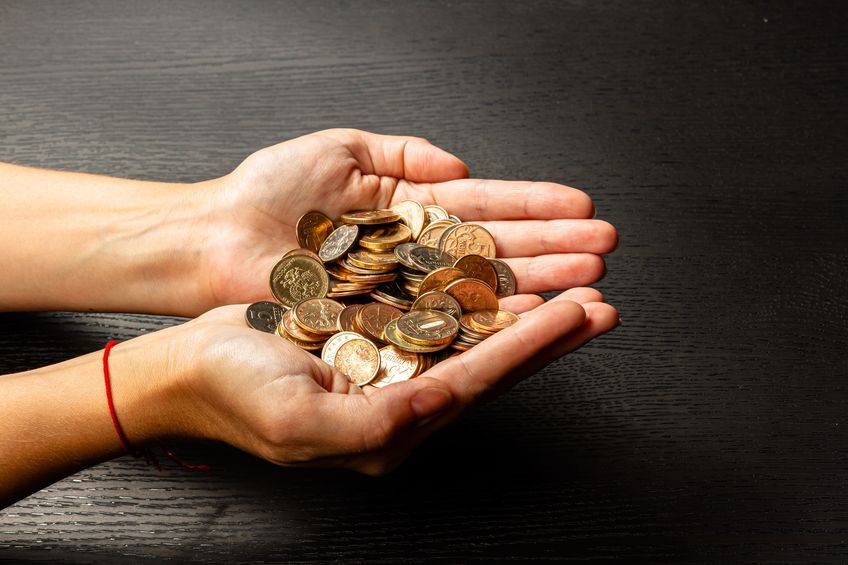
Finding an old coin can be exciting, especially if it looks like it could be valuable. Whether the coin came from a family collection, an estate, or a forgotten drawer, many people have the same first thought: “I should clean this up.”
While that may seem like a good idea, cleaning a coin is often one of the worst things you can do if you hope to preserve its value. In the coin collecting world, original condition matters far more than shine. In fact, a cleaned coin can lose a significant portion of its value and become less attractive to serious collectors.
Before reaching for a cloth or cleaning solution, it is important to understand why improper cleaning can hurt both collector interest and auction results.
The Importance of Original Condition
Collectors place a high value on originality. Over time, coins naturally develop surface characteristics that reflect their age and history. Silver coins may develop colorful toning, while copper coins often form a rich patina. These features are not considered flaws. In many cases, they add character and appeal.
When a coin is cleaned, these natural surfaces can be altered or removed. Once that happens, the coin can never truly be returned to its original state. Experienced collectors and professional graders are trained to recognize signs of cleaning, even when the work was done years earlier.
Because of this, originality often carries more value than a bright, polished appearance.
Scrubbing Away Value
One of the most common mistakes is physically scrubbing a coin to remove dirt or discoloration. People often use paper towels, toothbrushes, cloths, or other abrasive materials.
Unfortunately, even gentle scrubbing can leave microscopic scratches on the coin’s surface. These fine scratches, often called hairlines, are easy for professionals to spot. A coin may look cleaner after being rubbed, but those marks can lower its grade and reduce its market value.
The damage is permanent and cannot be repaired.
Using Metal Polishes and Household Cleaners
Many cleaning products are designed to make metal objects shine, but coins are different from household silverware or decorative items.
Products such as silver polish, jewelry cleaner, and metal cleaning compounds can strip away important surface details. Some chemicals can leave behind residues that continue reacting with the coin long after the cleaning process is complete.
Collectors often view polished coins as altered rather than preserved. As a result, these coins may attract fewer bidders when offered at auction.
Experimenting with Homemade Cleaning Methods
The internet is full of advice on cleaning old coins. Suggestions often include soaking coins in vinegar, lemon juice, baking soda, cola, or other household substances.
While these methods may remove discoloration, they can also cause serious damage. Acids and chemicals can react with the metal, changing the coin’s appearance and creating unnatural surfaces.
Copper coins are especially vulnerable. What begins as a simple cleaning attempt can quickly result in permanent staining, pitting, or discoloration.
Removing Natural Toning
Many collectors new to the hobby mistake toning for dirt or tarnish. In reality, naturally toned coins are often highly desirable.
Beautiful toning can create unique colors and patterns that make a coin stand out. Some toned coins command strong prices because collectors appreciate their appearance and originality.
Trying to remove this toning usually does more harm than good. Once the natural surface has been stripped away, the coin may appear artificial and less appealing to potential buyers.
Cleaning Coins Before Knowing Their Value
Another common mistake is cleaning a coin before having it evaluated by a professional. Many people assume a coin must be shiny to be valuable, but that is not how the collector market works.
A rare coin in original condition may be worth far more than the same coin after cleaning. Unfortunately, many valuable pieces have lost a portion of their worth because owners attempted to improve their appearance before seeking expert advice.
If you are unsure about a coin’s significance, it is always best to leave it untouched until it can be examined by a professional.
How Cleaning Affects Auction Results
Auction buyers pay close attention to condition. When a coin shows signs of cleaning, bidders often become more cautious. Some may reduce their bids, while others may choose not to bid at all.
Professional grading services frequently identify cleaned coins and note the issue on grading labels. This can impact both marketability and value. Even if a coin is rare, evidence of cleaning may limit the number of interested buyers.
Coins with original surfaces generally perform better because collectors have greater confidence in their authenticity and long-term desirability.
Protecting Your Collection
The best way to preserve a coin collection is through proper handling and storage. Hold coins by the edges, store them in appropriate holders, and keep them in a stable environment away from moisture and contaminants.
Most importantly, resist the urge to clean them. What may look like dirt or tarnish could be an important part of the coin’s history and value.
At Centennial Auctions, we regularly work with collectors, families, and estate representatives who want to understand the true value of their coins. Before attempting any cleaning, consider consulting with a professional. A coin’s original condition is often one of its greatest assets and preserving that originality can make a significant difference when it comes time to sell. Contact Centennial Auctions at 603-356-5765 today or visit us online for more information!