
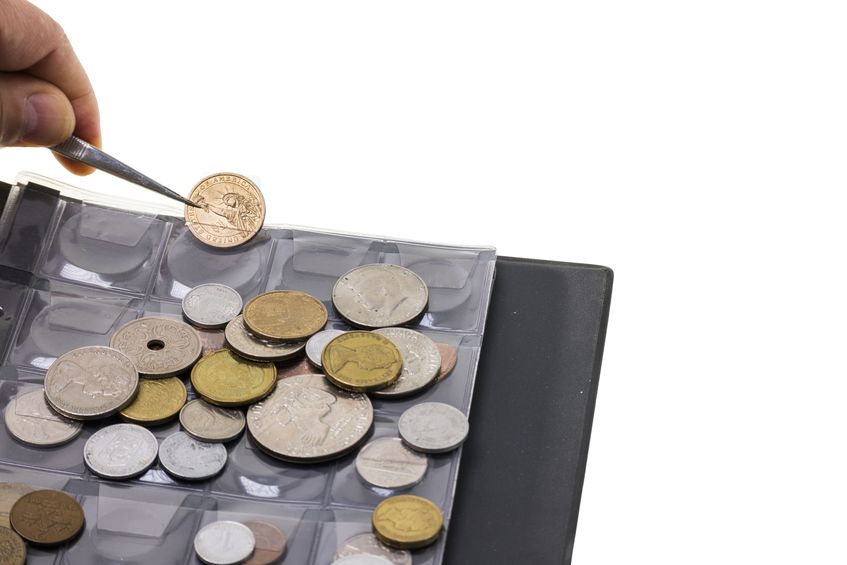
The rare coin market has always been shaped by more than the coins themselves. While factors like rarity, condition, and historical significance remain important, outside economic influences often affect how collectors buy, sell, and value coins. Inflation, precious metal prices, and changing collecting trends can all impact demand in different ways.
Whether you are an experienced collector or someone who has recently inherited a coin collection, understanding these market forces can help you better appreciate why certain coins become more desirable over time. Although no one can predict the future of any collectible market, recognizing the connection between the economy and rare coins offers valuable insight into how the market works.
Inflation Can Increase Interest in Rare Coins
Inflation affects nearly every aspect of the economy. As the prices of everyday goods and services rise, people often begin looking for assets they believe will hold their value over the long term. For some, rare coins become part of that conversation.
During periods of higher inflation, collectors may become more active, and new buyers sometimes enter the market looking for tangible assets with historical significance. Unlike stocks or digital investments, rare coins are physical objects that have survived for decades or even centuries, making them appealing to many collectors.
That said, not every coin automatically becomes more valuable during inflation. The strongest demand is usually reserved for coins that are already considered scarce, historically important, or exceptionally well preserved.
Precious Metal Prices Play an Important Role
Many rare coins contain gold or silver, making precious metal prices another important factor in the marketplace.
When gold prices rise, gold coins often receive increased attention from both collectors and buyers interested in precious metals. The same is true for many silver coins when silver prices climb.
However, it’s important to understand that metal content is only one part of a coin’s overall value.
For example, a common gold coin may be worth only slightly more than the value of its gold. On the other hand, a rare gold coin with a low mintage and outstanding condition may sell for many times its melt value because collectors are paying for its rarity as much as its precious metal content.
The same principle applies to silver coins. Some are valued primarily for their silver, while others command significant premiums because of collector demand.
Collector Demand Is Always Changing
Like many hobbies, coin collecting continues to evolve as interests change.
Some collectors focus on completing entire coin series, while others are drawn to coins connected to specific historical events or time periods. Younger collectors may have different interests than previous generations, leading to shifts in which coins are most popular.
Several collecting trends continue to shape today’s market.
High-Grade Certified Coins
Professional grading has become increasingly important over the years. Collectors often compete to assemble collections with the highest certified grades possible, creating strong demand for coins in exceptional condition.
Even coins that are relatively common can become highly desirable if they are among the finest known examples.
Error Coins Continue to Gain Popularity
Coins with minting mistakes remain one of the fastest-growing areas of collecting.
Collectors actively search for:
- Double die errors
- Off-center strikes
- Clipped planchets
- Die cracks
- Broadstrikes
Because many of these errors are uncommon, collector interest remains strong.
Coins with Historical Significance
Many collectors enjoy owning pieces that connect them to important moments in history.
Coins produced during the Civil War, the early years of the U.S. Mint, or other significant periods often attract collectors who appreciate both history and numismatics.
These coins offer more than financial value. They provide a tangible connection to America’s past.
Supply and Demand Still Drive the Market
Rare coins follow the same basic economic principles as many other collectibles.
Unlike modern products, additional rare coins cannot simply be manufactured to meet growing demand. Once a coin becomes scarce, the available supply is limited to those that have survived over time.
When more collectors compete for the same limited number of quality examples, prices often increase.
On the other hand, if a large collection becomes available through an estate or major auction, buyers may have more opportunities to purchase examples that have not been seen on the market for years.
This constant balance between supply and collector demand helps shape pricing throughout the industry.
Auctions Reflect Current Market Interest
Auctions provide one of the clearest pictures of today’s rare coin market.
Competitive bidding allows collectors to determine what a particular coin is worth at that moment based on current demand.
Several factors often contribute to strong auction results, including:
- Scarcity
- Excellent condition
- Historical importance
- Collector competition
- Well-documented ownership history
Auction prices also provide useful information for future appraisals and market research, although every coin should still be evaluated individually.
Estate Collections Can Create New Opportunities
Economic conditions often encourage families to evaluate inherited collections. Whether someone is settling an estate, downsizing, or planning for the future, professional guidance becomes especially valuable.
Many inherited collections contain coins that owners know very little about. Some may include common circulation pieces, while others contain surprisingly valuable rarities.
Having a professional appraisal helps identify important coins and ensures collections are evaluated fairly before any decisions are made.
Consulting with an experienced auction company also helps sellers understand the best approach for marketing a collection to qualified buyers.
Education Makes a Difference
One of the best ways to navigate any collectible market is through education.
Successful collectors take the time to learn about grading standards, mintages, rarity, and historical significance before making important buying or selling decisions.
They also understand that market conditions naturally change over time. Rather than reacting to short-term economic headlines, experienced collectors often focus on building collections that reflect their interests and appreciation for history.
Working with knowledgeable professionals provides valuable insight into current market conditions and helps collectors better understand the true value of their coins.
Looking at the Market as a Whole
The rare coin market is influenced by many factors, and economic conditions are only one piece of the puzzle. Inflation can encourage greater interest in tangible collectibles, rising gold and silver prices can affect certain coins, and collector preferences continue to evolve from one generation to the next. At the same time, the limited supply of rare coins helps sustain long-term interest among collectors.
Whether you are buying, selling, inheriting, or simply learning about rare coins, it helps to understand how these economic forces shape the marketplace. At Centennial Auctions, our team has spent more than three decades helping collectors, families, attorneys, and estate professionals navigate changing market conditions. Through professional appraisals, expert consultations, and competitive auctions, we help clients understand the true value of their collections while connecting exceptional coins and stamps with collectors who appreciate their history and lasting appeal. Contact Centennial Auctions at 603-356-5765 today or visit us online for more information!