
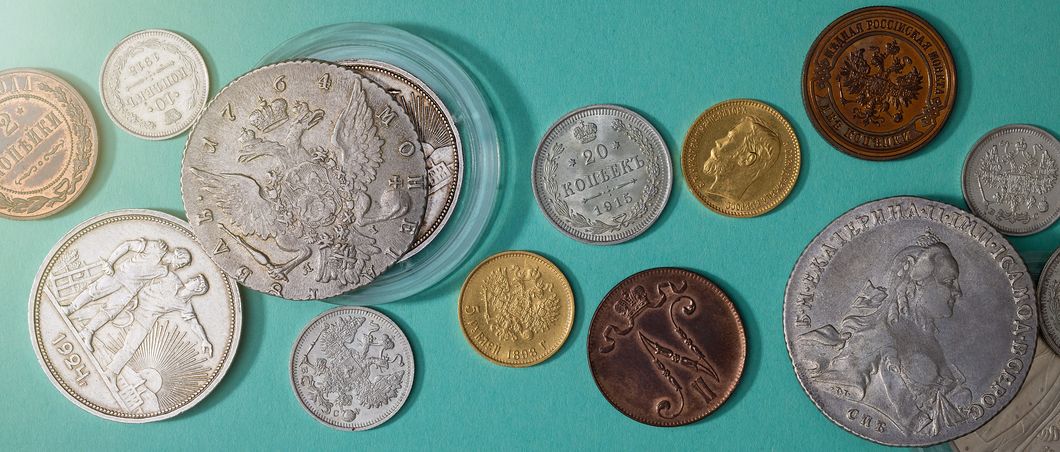
When you are named the executor or administrator of an estate, you may be responsible for assets you have never dealt with before. A coin collection is a perfect example. You might open a safe, cabinet, or closet and find albums filled with coins, old boxes of loose pieces, mint sets, rolls, or individually certified coins. Unless you are already familiar with numismatics, it can be difficult to know what deserves attention and what everything is worth.
Fortunately, an executor does not need to become a coin collector overnight. A professional coin collection appraisal can provide the information needed to properly account for the collection and determine what should happen to it next.
At Centennial Auctions, we have more than 30 years of experience with coins and stamps. We provide professional appraisal services for estates, attorneys, trust departments, administrators, and others who need an informed evaluation of a collection.
Don’t Start Sorting or Cleaning the Coins
It is natural to want to organize a collection before having someone look at it. An executor may separate coins by denomination, remove pieces from old envelopes, or clean dirty-looking coins to make them easier to examine. These seemingly helpful steps can create problems.
Try to leave the collection in the condition and organization in which you found it.
A collector may have spent decades arranging coins according to date, mint, series, grade, or another system. Notes written on envelopes and holders can contain useful information. Receipts, old auction catalogs, purchase records, certificates, and handwritten inventories should also remain with the collection.
Cleaning is particularly important to avoid. A bright, shiny coin is not necessarily more desirable. Collectors often prefer original surfaces, and improper cleaning can leave scratches or other evidence of alteration. Even if a coin appears dirty or tarnished, leave it alone until it has been examined by someone with numismatic experience.
A Coin’s Age Doesn’t Tell You What It Is Worth
One of the biggest challenges for estate executors is determining which coins are important. Age is often the first thing people notice, but an old date does not automatically mean a coin is rare or valuable.
Several characteristics can affect a coin’s value. These include its date, mint mark, condition, rarity, surviving population, collector demand, and whether the coin has been professionally authenticated or graded.
Condition can make an especially significant difference. Two examples of the same coin may look like someone unfamiliar with grading, yet collectors may value them very differently.
This is why looking up individual coins online is not a substitute for an appraisal. Online marketplaces are filled with asking prices, and those prices do not necessarily represent actual market value. Finding a coin that looks like one in the estate does not mean it is truly comparable.
What an Estate Coin Appraisal Can Tell You
A professional appraisal helps put the collection into context. Instead of looking at a room full of albums, boxes, and holders without knowing where to begin, the executor receives a clearer understanding of the property under their care.
The appraiser can identify the material, recognize pieces that may warrant additional attention, and determine an appropriate value based on the purpose of the appraisal.
That last point is important because there is more than one type of value. The amount assigned for an estate appraisal may not be identical to what a coin ultimately sells for at auction. An appraisal is an opinion of value developed for a specific purpose. An auction result is created when actual bidders compete for an item in the marketplace.
Understanding that distinction can help an executor avoid confusing an appraisal figure with a guaranteed selling price.
Why Professional Appraisal Standards Matter
Estate assets may affect beneficiaries, tax matters, distributions, and other financial decisions. For that reason, executors should consider the qualifications of the person providing the appraisal rather than simply asking someone what they think the coins are worth.
Centennial Auctions’ staff appraisers are compliant with the Uniform Standards of Professional Appraisal Practice, or USPAP. These standards provide a recognized framework for professional appraisal work.
This can be especially valuable when an estate involves several heirs or when attorneys, trust departments, accountants, or other professionals are involved. Having a professional appraisal provides documentation that can be referenced when decisions about the collection need to be made.
A Large Collection Is Not Always a Valuable Collection
The physical size of a coin collection can be misleading. Twenty boxes of coins are not necessarily worth more than one small album.
Many collections contain a mixture of material accumulated over a lifetime. There may be common circulating coins alongside proof sets, silver coins, commemoratives, older U.S. coins, foreign coins, or certified pieces. Sometimes a relatively small number of coins represent much of the collection’s overall value.
The opposite can happen as well. A collection may look modest but contain an uncommon date, desirable variety, or high-grade coin that deserves a closer examination.
Executors should resist the temptation to make assumptions based on quantity. A professional appraisal allows the collection to be evaluated according to what is there.
Gather Any Information the Collector Left Behind
Before an appraisal, look for records associated with the collection. You do not need to understand them. Simply keeping them together can be helpful.
Purchase receipts may show when and where coins were acquired. Grading certificates or submission records can provide information about professionally certified pieces. Old auction invoices can document previous purchases. A collector’s handwritten inventory may identify items that were considered especially important.
Original holders, envelopes, boxes, and labels can also provide context. Avoid throwing anything away until the collection has been reviewed.
Deciding What Happens to the Collection
Once the appraisal is complete, the executor is in a much better position to consider the next step.
Some beneficiaries may want to keep coins for sentimental or collecting reasons. An estate may decide to divide certain items among heirs. In other cases, selling the collection and distributing the proceeds may be the most practical choice.
If a sale is appropriate, the way the collection is offered can matter. Some coins may perform best as individual auction lots, while others may make more sense as groups or collections. An experienced auction firm can evaluate the material and determine how it may be presented to interested collectors.
Centennial Auctions can also consult with executors regarding the disposition of a collection. Because every estate and collection is different, having a knowledgeable person explain the available options can make the process much easier.
Let Centennial Auctions Help with an Estate Coin Collection
Discovering a coin collection in an estate can create plenty of questions. Which coins are valuable? Should anything be professionally graded? Is the collection better kept together or separated? What documentation is needed? Should the coins eventually be sold?
You do not have to answer those questions on your own.
If you are responsible for an estate containing a coin collection, contact Centennial Auctions at 603-356-5765 to arrange an appraisal or discuss your options. Getting professional guidance early can help you protect the collection, understand what is there, and make informed decisions on behalf of the estate.