
For as long as civilizations have used metal coins as currency, there have been counterfeiters. From small-time con artists acting for short-term personal gain to massive criminal conspiracies orchestrated to devalue currencies and goods, the practice has historically been widespread, tactically diverse, and economically hazardous.
Naturally, the prevalence of forgery makes numismatics a more challenging pursuit, especially for hobbyists and collectors who lack the training and resources required to spot fakes.
Experienced professionals are taught how to identify certain red flags that call the authenticity of antique coins into question. If you’ve come into possession of an old coin collection, you might wonder if all the pieces are real. Learning these tricks of the trade is no substitute for the service of an experienced coin appraiser, but knowing how to spot a few troubling signs can save you some headache.
Consider the Weight
One of the most telling signs of counterfeiting in coins is inconsistent or unusual weight measurements. Authentic coins are made to fit exact standards in weight, thickness, diameter, and more. These ratios will remain consistent from one official coin to the next. Most counterfeiters are unlikely to meet these standards without highly specialized knowledge in coin making.
Counterfeiting wouldn’t be as profitable if the perpetrators were limited to authentic materials. Instead, counterfeiters use alternative metals that look like the real thing at first glance. A consequence of this practice, however, is weight inconsistency. A cheaper metal that looks similar enough to the genuine article to trick the eye may be lighter or heavier, necessitating differences in thickness or diameter to close the gap.
Forgery Leaves Blemishes
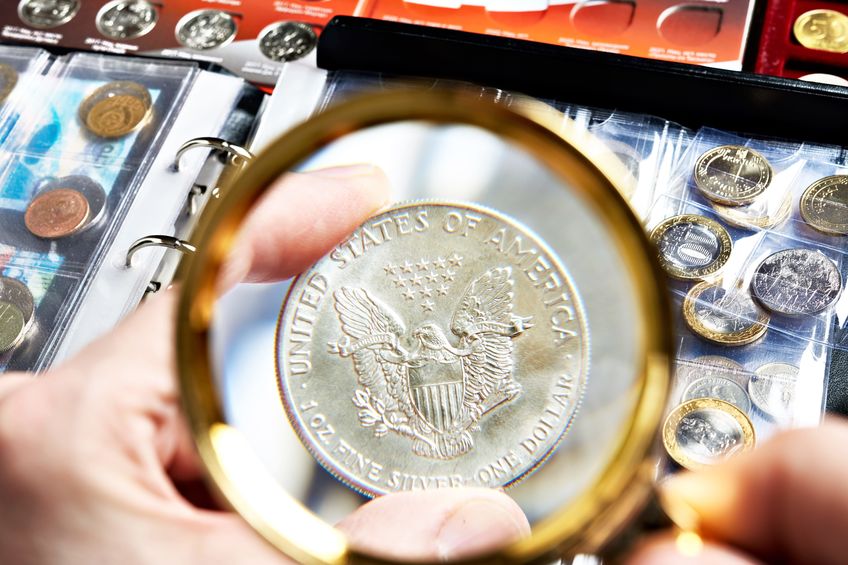
The first thing you see when you look at a coin is the relief. This is the artwork, like the side profile of a leader, an image commemorating an event, a recognized animal used a symbol, and more. These images are pressed into every coin with a die, which keeps the design uniform in a way that individual etchings can never be. Carving an image into metal by hand will always cause some degree of variation, and even molds commonly used in forgery will have imperfections of their own, leaving behind tiny scratches, bubbles, pits, and other signs of wear-and-tear.
A trained coin appraiser has the tools to examine these design flaws up close and advise you on whether they’re signs of inauthenticity or simply damage from improper storage, time, or environmental factors.
Always Check the Spelling
Many coins feature inscriptions, also known as legends, of some kind. These can be single words, names, or entire phrases, and as with a coin’s relief, an inscription should look consistent from one coin to the next. Many countries also engrave mint marks near the artwork on their coinage, often a single letter that represents the specific facility in which the coin was made.
While some counterfeiters are smarter than others, checking the lettering for misspellings is one of the first things you should do with any material of questionable authenticity, from coins to documents and more. While some real coins have visible mistakes due to machine error at official facilities, any coin you find in your collection with such errors should be examined by professional appraisers for verification.
When In Doubt, Try the Magnet Test
One of the easiest procedures to conduct when you’re in doubt about the authenticity of a piece in your coin collection is the magnet test. Gold, silver, and copper are not magnetic, so simply holding a magnet up to these coins can be the simplest way to spot signs of forgery. If the coin is attracted to the magnet, that means it contains magnetic metals like steel, iron, and nickel and is most likely not authentic. If you’ve come into possession of an old coin collection and you want to know what it’s worth, Centennial Auctions in North Conway, NH is staffed with trained professionals who can advise you on the best way to move forward. Call us at 603-356-5765 to schedule an appraisal with us.